3 Woodworking Plans Every DIY Builder Should Own
Every successful woodworking project starts with a solid plan. These three woodworking plans provide the foundation for building practical skills, creating useful projects, and making every hour in the workshop more rewarding.
SHED PLANS
Robert Ellington
8/6/20263 min read


If there's one lesson I wish I'd learned sooner, it's this:
A great woodworking project usually begins long before the first board is cut.
When I first started building furniture, I thought success depended mostly on having better tools. So I spent far more time researching saws and drills than I did learning how projects were actually designed.
Eventually I realized something surprising.
Even experienced woodworkers rely on good plans.
Not because they don't know what they're doing—but because clear plans remove uncertainty. Instead of guessing measurements or figuring out assembly as they go, they can focus on building accurately and enjoying the process.
Good woodworking plans don't limit creativity.
They actually give you the confidence to customize projects, experiment with different materials, and gradually tackle more challenging builds.
If you're building your collection, these are three woodworking plans that can continue paying off project after project.


1. Workshop Storage Plan
Every DIY builder eventually realizes that an organized workshop saves both time and frustration.
Storage cabinets, wall organizers, and tool racks are more than convenience projects—they improve safety, reduce clutter, and make every future build easier. A well-designed storage plan also teaches accurate measuring, layout, and efficient use of materials.
2. Multipurpose Workbench Plan
A dependable workbench becomes the center of nearly every woodworking project.
Building one yourself allows you to choose the ideal size, storage options, and working height for your space. Along the way, you'll practice structural assembly, squaring, and reinforcement techniques that apply to many future projects.
3. Simple Furniture Plan
Whether it's a side table, bookshelf, or entryway bench, simple furniture plans introduce many of the skills DIY builders use throughout their woodworking journey.
You'll gain experience with joinery, finishing, and careful assembly while creating something that becomes part of your everyday home.
One thing I've noticed is that these three categories never become outdated.
Even after years of woodworking, I still return to projects like these because they're practical, enjoyable, and always useful.


As your experience grows, you'll probably spend less time wondering whether you can build something and more time deciding what to build next.
That's a fun place to reach.
But it also creates a new challenge.
Finding dependable woodworking plans can become surprisingly time-consuming. One website offers incomplete instructions, another skips important measurements, while others focus on projects that don't quite match your skill level.
Having an organized collection of reliable plans makes the entire hobby more enjoyable. Instead of searching for your next project every weekend, you can choose builds that match your available time, workshop space, and growing confidence.
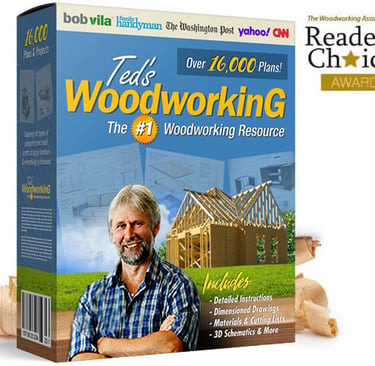
That's why many DIY builders eventually explore Ted's Woodworking, a collection of more than 16,000 woodworking plans covering workshop projects, furniture, outdoor builds, storage solutions, and beginner-friendly designs.
The biggest advantage isn't simply having thousands of options.
It's knowing that whenever inspiration strikes, you'll already have organized plans ready to help turn an idea into your next finished project.

FAQ
1. Why are woodworking plans important for DIY builders?
Woodworking plans provide measurements, material lists, and step-by-step guidance that help reduce mistakes and improve project accuracy.
2. Which woodworking plan should beginners build first?
Workshop storage projects or a simple workbench are excellent starting points because they teach core woodworking skills while creating tools you'll continue using.
3. Can experienced woodworkers still benefit from woodworking plans?
Absolutely. Many experienced builders use plans to save time, organize projects, and explore new designs more efficiently.
4. What makes a woodworking plan easy to follow?
Clear measurements, organized material lists, logical construction steps, and detailed diagrams all make plans easier to understand and build from.
5. How do woodworking plans help improve skills over time?
Working through well-designed plans exposes builders to new techniques, better project organization, and more efficient construction methods with every completed project.
Woodworking Design & Project Specialist
Robert focuses on woodworking projects, DIY plans, and workshop inspiration, helping readers build with confidence.

--------------------------------------------
You May Also Like
□ 7 Woodworking DIY Projects That Upgrade Any Home
DIY Build Journal
Woodworking plans, shed plans, beginner DIY projects and workshop inspiration.
© 2026 DIY Build Journal