3 Birdhouse Woodworking Plans That Add Backyard Charm
Compare three attractive birdhouse styles, learn which functional details matter to nesting birds, and see how organized woodworking plans can make your next backyard project easier to evaluate and build.
WOODWORKING PLANS
Robert Ellington
8/18/20264 min read


The best birdhouse woodworking plans do more than produce a pretty garden accent. They balance a shape you will enjoy seeing every day with the ventilation, drainage, weather protection, and cleaning access a real nest box needs. The three styles below offer very different looks, yet each can work as a manageable backyard project when the plan clearly shows the materials, cuts, assembly order, and species-specific details without unnecessary trial and error.
1. The Classic Gable-Roof Birdhouse
A traditional peaked roof gives a birdhouse the familiar cottage silhouette that fits almost any fence line or flower bed. It is a satisfying choice when you want visible roof joinery and a timeless result without adding ornamental parts that complicate the build.
Look for a plan with a generous roof overhang, an enclosed recessed floor, drainage and ventilation, and a side or front panel that opens for monitoring and cleaning. Skip the little dowel perch: Cornell NestWatch notes that cavity-nesting birds do not need one, while predators may use it for access.


2. The Rustic Single-Slope Box
For a more relaxed garden look, a simple single-slope roof pairs naturally with cedar or another suitable untreated board. The restrained shape lets the grain and weathering provide the character, so it can look at home beside native plants, an old fence, or a potting shed.
Simple does not mean approximate. A useful plan should still show how the roof sheds rain, how the floor drains, where air can move near the top, and how the box opens later. Those details matter more than distressed paint, reclaimed hardware, or an elaborate facade.
3. The Clean Modern Shed-Roof Birdhouse
A crisp rectangular body and wide shed roof create a quieter, contemporary profile. This style works especially well near modern patios or simple landscape planting, and its straight panels can make the cutting sequence easier to understand at a glance.
The visual restraint puts extra pressure on accuracy: uneven reveals and poorly aligned panels are easy to see. Choose a plan that separates the cut list from assembly steps, identifies fastening points, and explains cleanout access rather than showing only a polished finished photo.


Before choosing any of the three, decide which cavity-nesting species are realistic for your region and habitat. Entrance size, box depth, mounting height, spacing, and placement are species-specific. Cornell NestWatch’s Right Bird, Right House tool is a better starting point for those requirements than choosing a hole size from appearance alone.
Turn a Style Choice Into a Buildable Plan
Once you know the bird and the style, the next challenge is finding instructions detailed enough to take you from boards to a weather-ready box without filling in missing steps yourself.

FAQ
1. Should a birdhouse have an outside perch?
Usually not. Cornell NestWatch says cavity-nesting birds do not need an exterior perch, and a perch may help predators reach the entrance. A clean front panel is therefore both visually simpler and generally the more responsible feature to seek in birdhouse plans.
2. Can I use one entrance-hole size for every birdhouse?
No. Entrance diameter, interior dimensions, mounting height, habitat, and spacing vary by species. Identify birds likely to nest in your region first, then use a species-specific plan from a reliable source rather than enlarging or shrinking a decorative plan by guesswork.
3. Does Ted's Woodworking definitely include these exact three birdhouse plans?
The supplied sales page says the library is searchable, covers more than 100 categories, and includes Animal & Pet projects, but it does not list these three exact designs. Check the current product page or members-area details before purchasing specifically for birdhouse coverage
Woodworking Design & Project Specialist
Robert focuses on woodworking projects, DIY plans, and workshop inspiration, helping readers build with confidence.

--------------------------------------------
You May Also Like
□ 5 Woodworking Workbench Ideas That Improve Every Workshop
When an Organized Plan Library Becomes Useful
A single birdhouse is a compact project, but the quality of the plan still affects wasted material, rework, and confidence. At minimum, you want a readable materials list, cut sequence, drawings, assembly order, and enough detail to verify that the finished box is safe for the intended species.
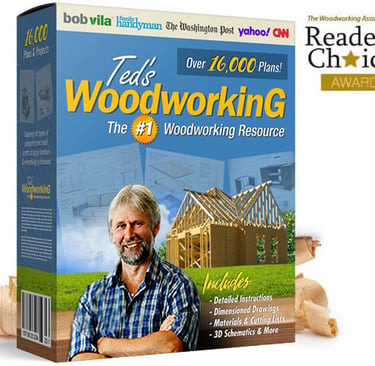
The Ted's Woodworking sales page describes a searchable collection of more than 16,000 woodworking plans, including an Animal & Pet category, with filters for keyword and difficulty. It also says plans include step-by-step instructions, drawings, cutting lists, and materials lists. These are seller-provided claims, so use the product page to confirm current birdhouse coverage, plan formats, tool requirements, price, access terms, and guarantee before buying.
If you would prefer to compare birdhouse options inside a broader project library instead of hunting across disconnected pages, review what the collection currently includes and whether its level of detail matches your tools and experience.
Choose Function First, Then the Finish
The strongest choice is not automatically the fanciest birdhouse. Pick the silhouette that suits your yard, then judge the plan by its species fit, weather protection, drainage, ventilation, cleanout access, and build clarity. A good-looking box should also be a responsible, maintainable place for birds to nest.
DIY Build Journal
Woodworking plans, shed plans, beginner DIY projects and workshop inspiration.
© 2026 DIY Build Journal