3 Simple Woodworking Projects That Build Real Skills
The best woodworking projects don't just give you something useful—they teach skills you'll rely on for years. These three beginner-friendly builds help you improve with every cut while keeping the process enjoyable and rewarding.
WOODWORKING PLANS
Robert Ellington
8/8/20263 min read


When most people begin woodworking, it's tempting to focus on the finished project.
I know I did.
I wanted something impressive sitting in my garage as quickly as possible. But after a few frustrating builds, I realized I had been chasing the wrong goal.
The projects that helped me improve weren't necessarily the biggest or the most impressive. They were the ones that quietly taught one new skill at a time.
That's one of the great things about woodworking. Every project becomes an opportunity to practice measuring a little more accurately, cutting a little cleaner, or assembling pieces with a little more confidence.
If you choose projects that build your skills instead of simply filling your workshop, you'll improve faster—and you'll probably enjoy the process much more along the way.


1. Build a Wooden Tool Tote
A simple tool tote teaches several essential woodworking skills without becoming overwhelming.
You'll practice accurate measurements, straight cuts, basic assembly, and keeping everything square. Even better, the finished project becomes something you'll continue using every time you step into the workshop.
2. Make a Floating Shelf
Floating shelves may seem simple, but they reward precision.
From sanding smooth edges to checking level installation, every step encourages careful workmanship. It's one of those projects where small improvements become immediately visible, making it an excellent learning experience for beginners.
3. Create a Birdhouse
There's a reason birdhouses have introduced generations of people to woodworking.
They're affordable, forgiving, and surprisingly educational. You'll gain experience with drilling, cutting, assembling, and finishing while building something that's both enjoyable and useful.
More importantly, these three projects work together. Each one reinforces the skills learned in the previous build, helping you develop habits that carry into every future project.


One thing I've noticed is that confident woodworkers don't necessarily learn faster—they simply keep building.
Each completed project teaches another lesson. Sometimes it's choosing better lumber. Other times it's learning how much easier assembly becomes after taking a few extra minutes to measure carefully.
Those small improvements rarely feel dramatic from one weekend to the next.
But after several projects, the difference becomes obvious.
That's why having a steady supply of beginner-friendly projects is so valuable. Instead of spending hours searching through scattered tutorials or wondering which project matches your current skill level, you can focus on practicing the skills that matter most.
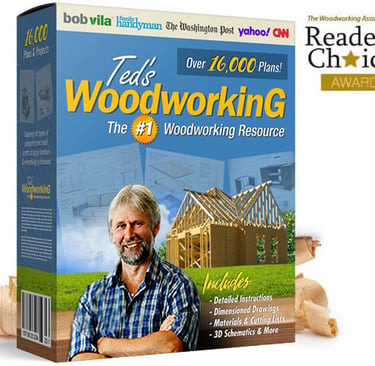
Many hobby woodworkers eventually discover Ted's Woodworking, a collection of more than 16,000 woodworking plans designed for a wide variety of experience levels.
The biggest advantage isn't simply having thousands of projects available. It's having organized plans that make it easier to move from one build to the next without constantly starting your search from scratch.
Woodworking becomes far more rewarding when each finished project naturally prepares you for the next one. Over time, those consistent small wins become the foundation for larger, more impressive builds.

FAQ
1. Which woodworking project teaches the most beginner skills?
A wooden tool tote is one of the best starting projects because it combines measuring, cutting, assembly, and squaring into one practical build.
2. Why should beginners focus on smaller projects?
Smaller projects allow you to repeat essential techniques more often, helping you improve steadily without becoming overwhelmed.
3. How long do these projects usually take?
Most beginners can complete each project over a weekend, depending on the tools available and the amount of finishing involved.
4. What tools are needed for these projects?
Basic woodworking tools such as a drill, saw, measuring tape, clamps, sander, and safety equipment are enough for most beginner builds.
5. Are woodworking plans useful even for simple projects?
Many beginners find that organized plans reduce guesswork, making it easier to focus on developing skills rather than figuring out measurements and construction details.
Woodworking Design & Project Specialist
Robert focuses on woodworking projects, DIY plans, and workshop inspiration, helping readers build with confidence.

--------------------------------------------
You May Also Like
□ 5 Easy Woodworking Projects You Can Finish in One Weekend
□ 7 Easy Woodworking Projects That Look Surprisingly Professional
DIY Build Journal
Woodworking plans, shed plans, beginner DIY projects and workshop inspiration.
© 2026 DIY Build Journal